

Hello again,
Thank you for the overwhelming support for the first edition! This time, I'm teaming up with Sanjeet, who spearheads our health and wellness benefits portfolio, ensuring we feature the most sought-after brands.
Together, we'll take you through the research (and BTS!) that played a key role in reimagining Plum's benefits space.
Special feature - Comics inspired by Poorly Drawn Lines
Read, enjoy, and share your feedback or questions at jahnavi@plumhq.com.
Park vs cafe
Do you recall the time you decided to ‘Netflix and chill’ but spent an hour browsing through the content before eventually giving up? Or that other time when you browsed through the thousand discount vouchers on your credit card bill payment app and realised there’s absolutely nothing useful?
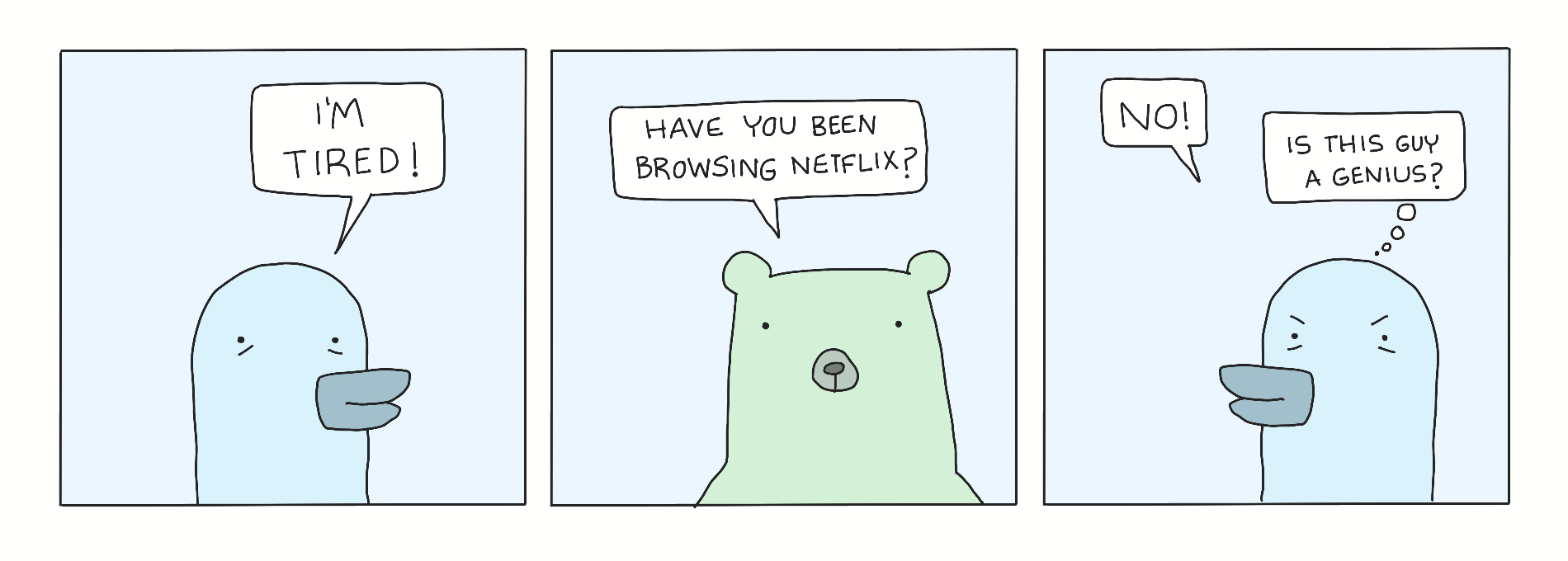
Trust us, we know how it feels.
Ask yourself. How many good experiences can you recall? Taking not even a whole second to spot what you are looking for, or even better a curated experience that reminds you of your needs and pushes you that extra mile to take care of yourself?
The contrast between the two scenarios is that of a park vs a cafe – it is that of an uncurated experience lacking any personal touch versus a tailored, curated experience.
When we realised “we want a cafe-like experience for our users”, our approach to benefits changed forever, marking the very beginning of a complete reimagining.
The Trigger
Before jumping into the research we took some time to understand the status quo:
‘What's working?’ and ‘What's not?’
We realised that in an attempt to onboard popular brands, we were operating under two major assumptions:
- Usage is directly proportional to the awareness of the brands
- Discounts play a significant role in the value perceived
While we don't completely disagree, we wanted to put them to the test.
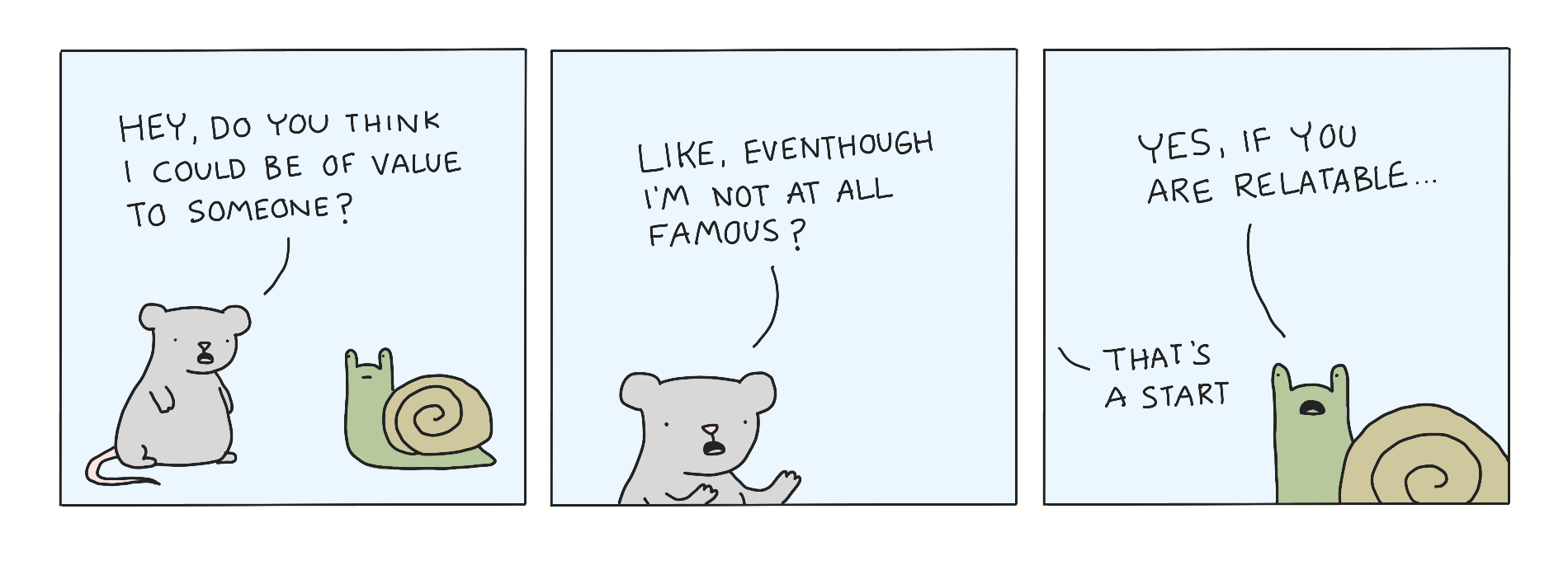
After chatting with numerous users and non-users, we learnt the following:
- Awareness doesn't drive usage unless it’s paired with familiarity and relatability
- Discounts on a benefit don't drive usage unless they feel exclusive
Working out this simple logic set us on a trajectory to uncover more insights that had a major impact on our approach to benefits.
How did this research inform Sanjeet’s work?
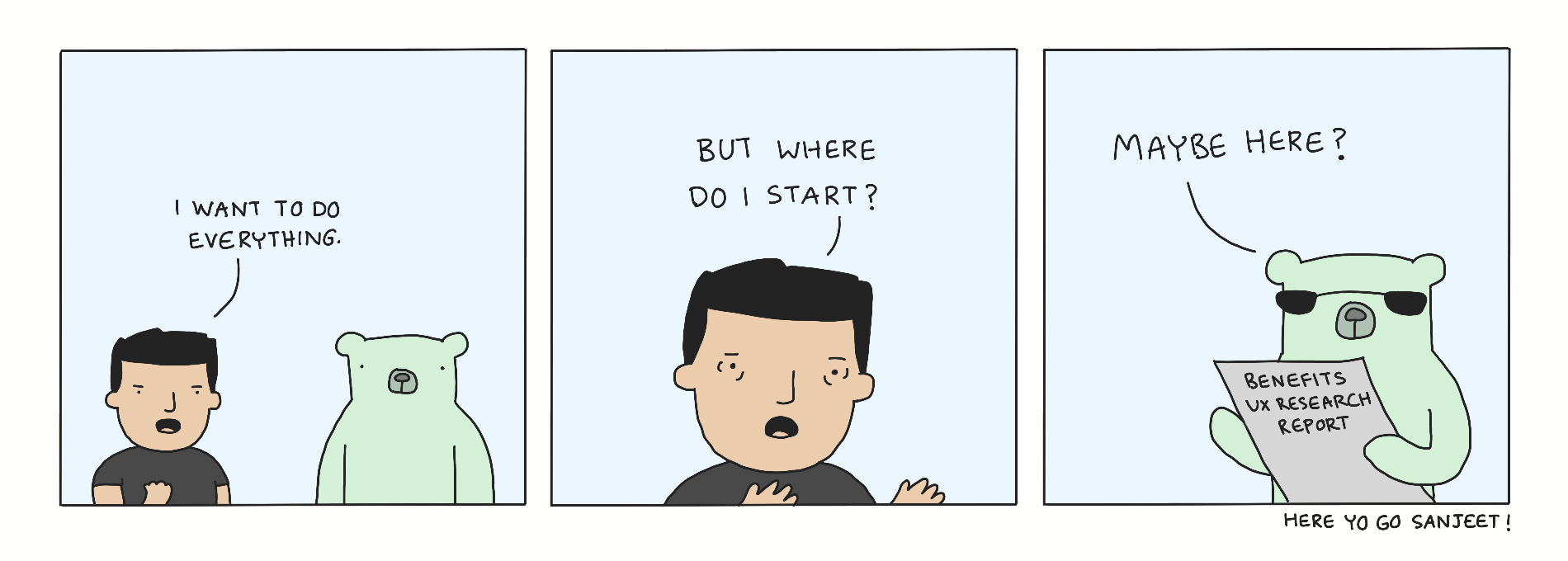
No.1: OOPS!
An unexpected tooth implant, an unplanned doctor’s visit, an unforeseen blood test - any un-budgeted expense can hurt. And when that happens we say OOPS! (Out of Pocket Spending - pun intended).
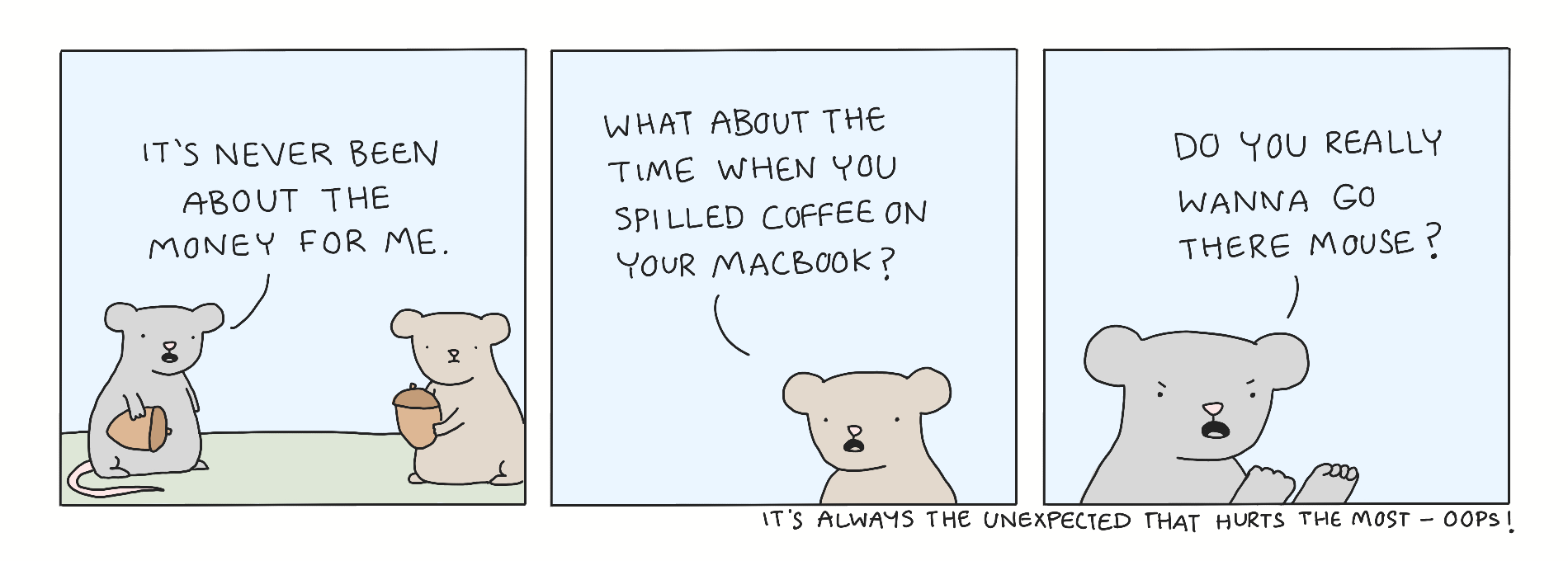
The logic behind understanding OOPS is simple. All we have to do is grasp the basic psychology of our user base:
- The categories: Where are they spending?
- Small vs big spends: How much are they spending?
- Frequent vs infrequent/one-time spends: How often are they spending?
This understanding resulted in drawing up the most exhaustive categories that cater to our diverse user base. “I don’t simply aim at onboarding popular brands. I ensure we have equal distribution across categories.”, says Sanjeet.
This has resulted in an improved understanding of our users’ spending patterns – the recurring but significant expenses; the mandatory ones; the high-cost put-on-the-back burner bills or the day-to-day spends. This understanding allowed us to intervene in our users’ small and big expenditures.“There’s Clove for full-blown dental procedures and there’s Perfora if you just want to restock your toothpaste.”
No.2: Perceived value
“The value of a benefit lies in the eyes of its beholder.” - said our benefits redemption data time and again. We have what are considered to be the most desired benefits in our portfolio. But usage patterns seem to disagree.
This got us thinking about ‘perceived value’, i.e what the user perceives as a gain from a benefit – whether it is functional, financial, social or psychological.
Perceived value is subjective to each user.
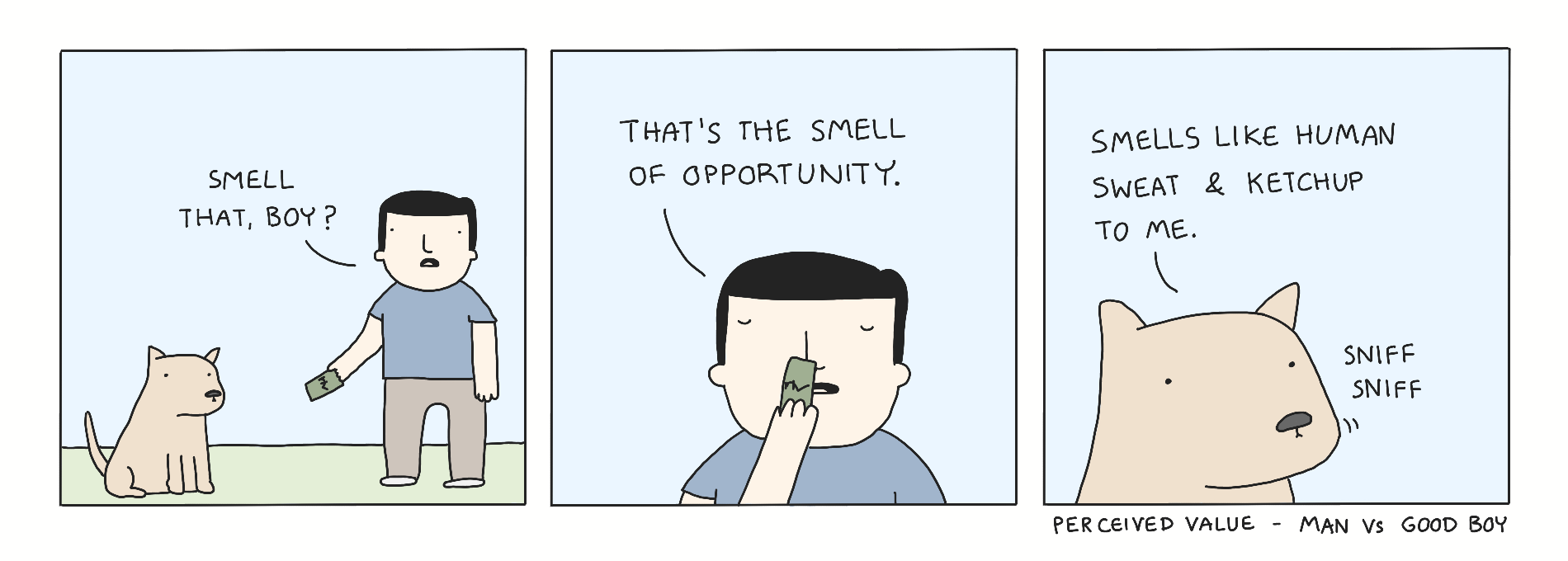
Affordability or financial value is tangible and thus the most prominent way of assessing a benefit, but there are a host of other things that also influence users’ decisions.
Theory aside, how do we even measure perceived value? To solve this we developed an easy-to-use value framework with a benefit rating system that could assist Sanjeet in evaluating each benefit.
Repeated usage of the framework helped him internalise the values as an integral part of his day-to-day work.“At least twenty of our early partners were onboarded after being evaluated using the framework. Now the playbook is in our minds, we don’t even have to sit and evaluate a benefit, we just know.”
What’s next?
When asked what’s next for benefits, Sanjeet exclaims –
“The best is yet to come!”
Our product design and engineering teams are working hard to make ‘Plum Perks’ live very soon! Perks aims at offering the best user experience to explore a suite of curated health and wellness benefits.
We will talk more about perks and the thought process that went into building it in our upcoming newsletters.
Got a new benefit or brand partner to recommend? Hit up Sanjeet at sanjeet@plumhq.com.
Found these insights helpful? Stay tuned for more.
Until next time,
Jahnavi :)
Comments